

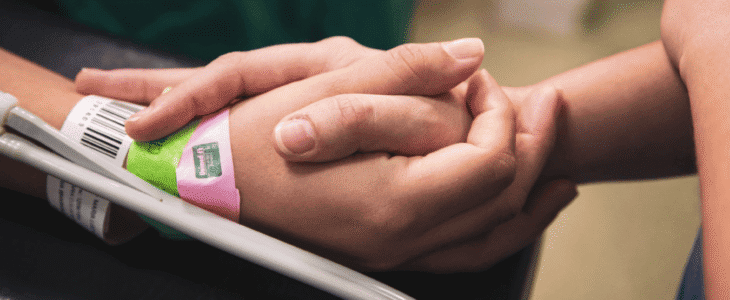
I spent more than fifteen years working in human resources, mostly in large groups in France and abroad. During that time I saw how often employees and their families moved abroad for work, and how little thought went into health planning before departure. Most people focus on visas, housing and schools. Far fewer stop to think about what would happen if a medical emergency started in a country where they cannot read the signs.
A medical alert bracelet can help in exactly this situation. The article from Euro Weekly News looks at medical alert bracelets as a safeguard for life abroad, and it is a helpful read for anyone planning a move. It explains how a small identification item can share important health details when the wearer cannot speak for themselves. When I talk with relocating staff, I often point them to it because it lays out the idea in plain terms.
At BizVodic, we write about work, careers and the practical side of moving for a job. My advice here comes from years of handling relocation paperwork and supporting people who adjusted to health systems that worked differently from home. I want to cover the benefits, the practical trade-offs and the steps that make the decision easier. Every relocation carries its own health picture, so the right answer depends on the person packing.
Why Medical Alert Bracelets Matter for People Living Abroad
When I first handled an international transfer, I assumed that everyone’s medical records would follow them. They rarely do. Paper files stay at home, online portals may not work across borders and a new hospital may lack the information it needs in the first hour of treatment. Those first hours of care often depend on guesswork.
A medical alert bracelet gives responders a fast way to see the most important facts. Typical details include a condition, an allergy, a medication or an emergency contact number. Responders do not need the local language to read a few short lines engraved on metal. In my view, that small detail can shorten the time spent guessing about a patient’s history. The engraving does not replace a full file, but it gives a responder a starting point while the hospital requests the rest.
Life abroad also brings changes such as different climates, unfamiliar foods and long flights. A person with diabetes may find that local meals change their blood sugar. Hot weather, a long day of travel or a new diet can all shift a routine that worked well at home. A bracelet may seem unnecessary for people with stable health, but those with complex conditions often find it becomes one of the most practical items they pack. It costs little compared with a hospital stay.
How Emergency Care Can Differ in Other Countries
Language and Record Gaps
Emergency departments in other countries follow their own triage rules and paperwork habits. Some staff speak good English, while others may only speak the national language. Even in a welcoming setting, a short written note can clear up confusion quickly. Staff can then focus on treatment instead of translating basic details.
In my experience, the biggest gap is medication names. Brand names change between countries, and a patient may not recall the generic name of a drug. A bracelet that lists the active ingredient or the underlying condition can prevent a dangerous guess.
Insurance and Contact Access
Insurance rules also differ widely. Some policies require a call before treatment begins, and some private clinics ask for a deposit before care starts. A bracelet cannot settle billing matters. It can still carry a phone number for a family member or a health contact who knows the medical file.
For that reason, I suggest keeping the bracelet’s contact number and the insurance details in the same place. Responders can then reach the right person without a long search. A calmer process helps everyone involved, including the patient. Keeping one card with both numbers also means one less document to misplace during travel.
What Employers and HR Teams Should Consider
Over the years, I helped prepare assignment packages for staff moving to new countries. Health planning was often a box to tick at the very end. That approach leaves gaps, so I now push for a process that starts early and includes the employee and any family members who will travel with them.
A short checklist helps HR teams cover the basics before departure. Most of these items are quick to confirm, and they make the rest of the planning easier. I suggest sharing the list in writing with each traveler and any family members who join them. Written lists also give everyone the same starting point.
- Confirm that each traveler has an up-to-date medical summary
- Ask about allergies, long-term medication and recent treatment
- Share contact details for local clinics and insurance providers
- Offer guidance on medical identification items such as alert bracelets
Employers can also give staff time to attend health briefings before they leave. A brief conversation with a nurse or doctor can uncover needs that a standard form never captures. A written copy gives the employee something to check when the move gets hectic. Once the checklist is done, the next decision is the bracelet itself.
Choosing the Right Medical Alert Bracelet
Materials and Comfort
Most bracelets come in stainless steel, silicone or a mix of both. Stainless steel has a more formal look and feels heavier on the wrist. Silicone is lighter and works well for people who exercise often or spend time in water. The right choice is the one the wearer will keep on every day.
Comfort matters more than many people expect. A bracelet that rubs or catches on clothing often ends up in a drawer. I recommend wearing the band for a few days before leaving, so any fit problems show up early. A band that feels fine during a short test week is far more likely to stay on during a long flight and a busy first month.
Engraving and Accurate Information
The engraving does a lot of the work on the bracelet. Short, clear lines are easier to read than long paragraphs, because the space is limited. Many wearers include a condition, an allergy and a phone number with the correct country code. A clear layout helps a responder find the right line quickly.
Keep the wording current. A medication change or a new diagnosis should lead to a new engraving. An outdated bracelet can be worse than none, since it may send responders in the wrong direction. I check mine each time a prescription changes, and I suggest the same habit to anyone who packs one.
Packing Tips for Life Abroad
Packing a bracelet is simple, but the rest of the health kit deserves planning too. Start a few weeks before departure so there is time to refill prescriptions and collect records. Waiting until the final week often leads to rushed decisions. A new country can also mean different rules for refills, so an early start helps with that too.
The list below covers the papers and supplies I pack for the suitcase and carry-on bag. Most of these fit easily in one document folder. I suggest keeping copies of the important papers in two places, because those copies matter most when a bag goes missing. A single folder keeps everything together, so nothing gets lost in a hurry.
- Copies of prescriptions that show generic drug names
- A printed medical summary in English and the local language
- A spare bracelet or a backup copy of the engraving details
- Insurance cards and emergency numbers stored in a second location
Wear the bracelet for the whole trip. Bags can be delayed or lost, so keep it on your wrist at all times. Share your plan with a travel companion or family member too, so someone knows where the documents are kept and who to call. Many people skip this step, and it can save a lot of stress later.
Common Mistakes to Avoid When Packing a Medical Alert Bracelet
Treating the Bracelet as a Full Record
One common mistake is assuming the bracelet replaces a full medical file. It works as a quick signal, and the detailed records still need to be stored and updated. I have found that people who keep a full summary in a second place feel much calmer during a move. A detailed summary also gives a new doctor the background that an engraving cannot hold.
Another mistake is forgetting to update the engraving after a change in health. People sometimes keep an old bracelet for years because it still looks fine. Checking the details each time a prescription changes helps prevent this problem. A quick look at the band during a routine refill is often enough to catch an error early.
Skipping the Doctor and Waiting Too Long
Many people also skip the conversation with their doctor before moving. A short visit can confirm whether the bracelet suits the condition and whether other steps are needed. A good clinician can also suggest which details deserve space on the band. Booking that visit early leaves time to act on the advice.
Some expats also wait until they feel unwell before thinking about these items. Planning in calm conditions is far easier than planning in the middle of a health problem. Acting early means fewer choices get made in a rush. It also leaves room to order a new bracelet if the details have changed.
Final Thoughts on Whether a Medical Alert Bracelet Is Worth Packing
After years of working with relocating employees, my view is simple. A medical alert bracelet is worth packing for most people who live abroad with a health condition, an allergy or regular medication. It costs little and gives responders the facts they need when time is short. For me, that combination makes it an easy item to recommend.
The bracelet works best as part of a wider plan. Update your medical summary and check your prescriptions before the flight. Confirm your insurance details too. Store copies of the most important documents in a second place, and share your plan with someone you trust back home. Each step is small on its own, but together they make a move far easier to manage.
If you are preparing for a move, I encourage you to start this week. Book a short appointment with your doctor and review the engraving on any existing bracelet. Order a new one if the details have changed. Go back to the article mentioned in the introduction and read it again with your own situation in mind. Then take one practical step at a time, so the move feels organized and calm.